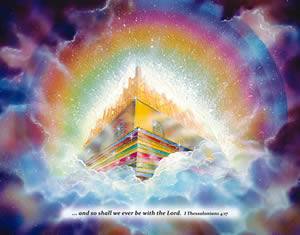
Choosing the right approach to images of the heavenly city starts with clear context, practical filters, and realistic expectations.
Introduction to the Heavenly City
The concept of a heavenly city has been a cornerstone of human imagination and spirituality for centuries. This divine metropolis is often depicted as a place of breathtaking beauty, where the sacred and the mundane coexist in perfect harmony. From the gleaming spires of celestial architecture to the lush gardens of paradise, images of the heavenly city have captivated the hearts and minds of people around the world.
Biblical Depictions of the Heavenly City In the Bible, the heavenly city is described as a place of unparalleled beauty and wonder. The Book of Revelation paints a vivid picture of a city made of gold, with walls of jasper and gates of pearl. This divine metropolis is said to be the dwelling place of God, where the righteous will live in eternal bliss. Artists throughout history have sought to capture the essence of this
biblical vision, creating stunning works of art that inspire and uplift.
Cultural Significance of the Heavenly City The heavenly city is not just a biblical concept, but a

cultural phenomenon that transcends religious boundaries. In Islamic tradition, the heavenly city is known as Jannah, a place of eternal paradise where the faithful will be rewarded for their good deeds. In Hinduism, the city of Swarga is a heavenly realm where the gods and goddesses reside. These diverse cultural interpretations of the heavenly city reflect the deep-seated human desire for a place of ultimate beauty and transcendence.
Artistic Representations of the Heavenly City
Artists have long been fascinated by the heavenly city, seeking to capture its essence in a wide range of mediums. From the intricate mosaics of Byzantine churches to the majestic paintings of Renaissance masters, the heavenly city has been a staple of religious art. Modern artists continue to draw inspiration from this timeless theme, creating innovative and thought-provoking works that challenge and inspire.
Spiritual Destinations and the Heavenly City
For many people, the heavenly city is not just a metaphorical concept, but a tangible destination that can be experienced in this life. Spiritual destinations like the Vatican, Mecca, and Varanasi are considered gateways to the heavenly city, where pilgrims can connect with the divine and experience a taste of paradise. These sacred sites are often surrounded by breathtaking architecture and stunning natural beauty, creating an immersive experience that transcends the mundane.
Celestial Realms and the Heavenly City The heavenly city is often associated
with

celestial realms, where the stars and planets are said to be the dwelling places of angels and other divine beings. In astrology, the positions of the stars and planets are believed to influence human affairs, with the heavenly city serving as a cosmic blueprint for earthly endeavors. This mystical connection between the heavenly city and the celestial realms reflects the deep-seated human desire to understand our place in the universe.
Practical Examples of the Heavenly City So, what can we learn from the concept of the heavenly city? How can we apply its principles to our everyday lives? One
practical example is the creation of sacred spaces, where individuals can connect with the divine and experience a sense of transcendence. This can be achieved through meditation, prayer, or simply spending time in nature. By cultivating a sense of inner peace and harmony, we can create our own miniature heavenly cities, where love, compassion, and wisdom reign supreme.
Limitations and Challenges of the Heavenly City
While the concept of the heavenly city is undeniably inspiring, it is not without its limitations and challenges. One of the main criticisms is that it can create a sense of escapism, where individuals focus on the afterlife rather than addressing the problems of the present. Additionally, the heavenly city can be seen as an unattainable ideal, creating unrealistic expectations and disappointment. However, by approaching the concept with a critical and nuanced perspective, we can harness its transformative power while avoiding its potential pitfalls.
Conclusion
In conclusion, the heavenly city is a rich and complex concept that has captivated human imagination for centuries.
Through its diverse cultural interpretations, artistic representations, and spiritual significance, the heavenly city offers a profound window into the human experience. By embracing its beauty, wisdom, and challenges, we can create our own heavenly cities, where love, compassion, and harmony reign supreme.
FAQ
- What is the biblical description of the heavenly city?
- The biblical description of the heavenly city is found in the Book of Revelation, where it is depicted as a place of unparalleled beauty and wonder, made of gold, with walls of jasper and gates of pearl.
- What is the cultural significance of the heavenly city?
- The heavenly city has significant cultural implications, transcending religious boundaries and reflecting the deep-seated human desire for a place of ultimate beauty and transcendence.
- How can we apply the principles of the heavenly city to our everyday lives?
- We can apply the principles of the heavenly city by creating sacred spaces, cultivating inner peace and harmony, and focusing on love, compassion, and wisdom.
- What are some limitations and challenges of the heavenly city concept?
- Some limitations and challenges of the heavenly city concept include escapism, unrealistic expectations, and disappointment.
- What is the significance of celestial realms in relation to the heavenly city?
- The celestial realms are often associated with the heavenly city, reflecting the deep-seated human desire to understand our place in the universe and connect with the divine.
- How can we experience the heavenly city in this life?
- We can experience the heavenly city in this life by visiting spiritual destinations, practicing meditation and prayer, and cultivating a sense of inner peace and harmony.
- What is the role of art in representing the heavenly city?
- Art has long been a powerful medium for representing the heavenly city, with artists seeking to capture its essence in a wide range of mediums, from mosaics to paintings to modern installations.